By Juston North
September 17, 2026
Selecting a new climate control installation for your residence represents a major financial decision that directly impacts indoor comfort, monthly utility expenses, and overall air quality. Modern heating and cooling technology offers an extensive variety of configurations designed to accommodate different architectural layouts, regional climates, and family needs. Navigating these options can feel overwhelming for homeowners who are unfamiliar with technical specifications, fuel sources, and performance ratings. Understanding the core factors that influence system performance enables property owners to make informed investments that yield long-term reliability and operating efficiency. Partnering with a knowledgeable HVAC company ensures that every aspect of the selection process is handled with technical precision and care. Taking the time to evaluate physical building characteristics, energy goals, and long-term operating costs prevents buyer remorse and ensures lasting comfort. With proper guidance and strategic planning, upgrading your home comfort setup transforms daily living conditions while enhancing long-term property value.
Assessing Household Building Characteristics
Evaluating the specific physical attributes of your living space serves as the foundational step when exploring replacement climate control options. Architectural elements such as total square footage, ceiling height, window orientation, and insulation quality determine how much thermal energy your building gains or loses throughout changing seasons. Older residences with minimal wall insulation or single-pane windows require different heating and cooling capacities than newly constructed energy-efficient structures. Additionally, local climate patterns influence whether a traditional furnace, a heat pump, or a hybrid system offers the most cost-effective performance year-round. A reliable HVAC company can perform a comprehensive building audit to identify thermal vulnerabilities and determine exact heating and cooling loads.
Existing ductwork infrastructure also plays a crucial role in deciding which equipment configuration will operate effectively within your residence. Homes with intact, properly sized duct networks can seamlessly accommodate conventional central air conditioners, gas furnaces, or central heat pumps. Conversely, older dwellings lacking pre-installed ductwork may benefit more from ductless mini-split units that provide zoned climate control without invasive structural modifications. Evaluating air distribution channels prevents airflow bottlenecks, uneven room temperatures, and premature equipment wear. Consulting an experienced HVAC company helps homeowners assess ductwork integrity and determine whether repairs, sealing, or alternative ductless solutions are necessary before installation.
Evaluating Energy Efficiency Ratings
Navigating energy efficiency metrics is essential for reducing ongoing utility bills and minimizing your environmental footprint over the lifespan of the equipment. Modern heating and cooling units feature standardized efficiency ratings that measure how effectively they convert fuel or electricity into indoor comfort. Seasonal energy efficiency ratio ratings evaluate cooling performance, while annual fuel utilization efficiency percentages measure furnace heating capability. Higher ratings indicate superior energy conservation, which translates directly into lower monthly operational expenses despite higher initial purchase costs. Working alongside an established HVAC company allows property owners to balance upfront equipment costs against projected long-term energy savings.
Incorporating advanced technology such as variable-speed blowers, multi-stage compressors, and smart thermostats further maximizes system efficiency and indoor temperature stability. Single-stage systems operate at maximum capacity whenever activated, leading to temperature swings and higher energy consumption. Multi-stage and variable-speed alternatives adjust output dynamically based on real-time indoor demands, maintaining consistent temperatures while consuming significantly less power. Furthermore, proper ongoing maintenance is necessary to sustain high efficiency levels over time. According to Gitnux, failure to change air filters is linked to 50% of HVAC system failures. Establishing routine filter replacement schedules and professional tune-ups preserves mechanical components and keeps monthly operating costs predictable.
Calculating Precise Equipment Sizing
Determining proper equipment capacity is a critical technical calculation that must precede any equipment purchase or installation project. Installing an oversized unit causes rapid cycling, where the system turns on and off frequently without running long enough to dehumidify the air effectively. Rapid cycling increases mechanical wear, creates uncomfortable humidity levels, and causes sharp spikes in electricity consumption. Conversely, an undersized unit struggles constantly to maintain desired temperatures during extreme weather conditions, leading to continuous operation and high utility bills. A licensed HVAC company conducts precise load calculations using industry standards rather than relying on rough square footage estimates.
Load calculations account for internal heat gains generated by household appliances, lighting fixtures, and the total number of occupants living in the home. External factors such as shading from mature trees, roof color, and local wind exposure are also factored into the capacity assessment. By analyzing these variables, technicians determine the exact tonnage and British thermal unit requirements for optimal performance. Properly sized equipment operates smoothly, maintains stable indoor humidity, and delivers quiet operation throughout every room in the house. Relying on a professional HVAC company for capacity sizing guarantees that your new equipment operates within its ideal performance envelope.
Comparing Primary Equipment Categories
Comparing primary equipment categories helps property owners select the technology that best aligns with their fuel availability, budget, and comfort goals. Traditional split systems remain popular, combining an outdoor condensing unit with an indoor air handler or furnace. Gas furnaces provide powerful, rapid heating during freezing winter conditions, making them ideal for colder northern regions. Heat pumps have gained immense popularity due to their ability to provide both heating and cooling from a single, highly efficient electrical unit. Understanding how these distinct technologies function empowers homeowners to choose an option that optimizes year-round comfort.
Ductless mini-split systems offer exceptional versatility for home additions, converted spaces, or older houses without existing ductwork. These systems feature individual indoor air handlers connected to a single outdoor compressor, allowing customized temperature settings in separate rooms. Zoned climate control eliminates energy waste by heating or cooling only the active living spaces within the residence. Additionally, hybrid dual-fuel setups combine an electric heat pump with a gas furnace, automatically switching between fuel sources to maintain maximum cost efficiency as outdoor temperatures fluctuate. Consulting a certified HVAC company helps homeowners weigh the distinct operational advantages of each equipment category.
Selecting Qualified Installation Partners
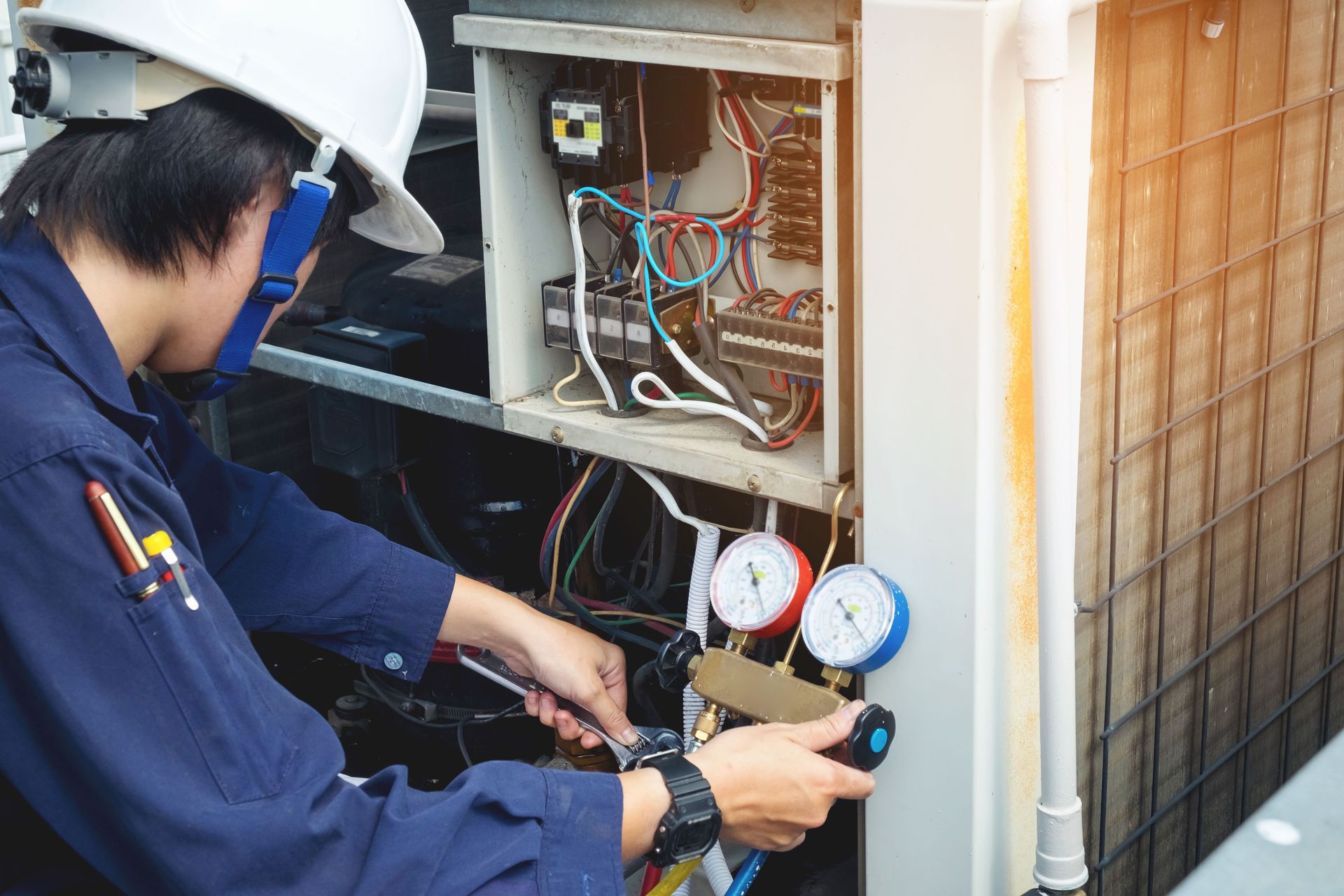
Selecting a qualified installation partner is just as important as choosing high-quality manufacturing brands and energy-efficient models. Improper installation can reduce overall system efficiency by substantial margins, leading to frequent mechanical breakdowns and shortened equipment lifespan. Certified technicians possess specialized training in refrigerant handling, electrical wiring, duct connections, and airflow balancing. They adhere strictly to local building codes, safety regulations, and manufacturer guidelines to ensure safe operation. Hiring a local HVAC company ensures that your installation complies with regional standards and qualifies for manufacturer warranty coverage.
Evaluating contractor credentials, consumer reviews, licensing status, and insurance coverage protects homeowners from low-quality workmanship and unexpected financial liabilities. Reputable contractors provide transparent written estimates, clear scope documentation, and comprehensive labor warranties that back their craftsmanship. They also offer ongoing maintenance agreements that simplify seasonal inspections and preserve equipment health over time. Building a lasting relationship with a trusted contractor provides peace of mind whenever maintenance or emergency repairs are required. Partnering with a dedicated HVAC company guarantees that your home comfort system operates safely and efficiently for decades.
Choosing the ideal heating and cooling setup for your residence requires careful evaluation of building characteristics, energy efficiency goals, equipment sizing, and available technology. Investing in properly sized, highly efficient equipment protects your family from extreme weather while keeping monthly utility costs manageable and indoor air quality clean. Following proper maintenance practices and replacing filters regularly ensures that your new investment operates reliably throughout every season. Working with experienced technical specialists streamlines the decision process and guarantees that installation adheres to the highest industry standards. When you are ready to explore replacement options or upgrade your home climate control system, contact the expert team at NorthStar Heating & Air Conditioning.